
Workplace stress management programme for Teams and Leaders who need to breathe, refocus and perform better
A practical approach to help teams and leaders recognise overload, manage stress more effectively and build healthier, more sustainable work habits.
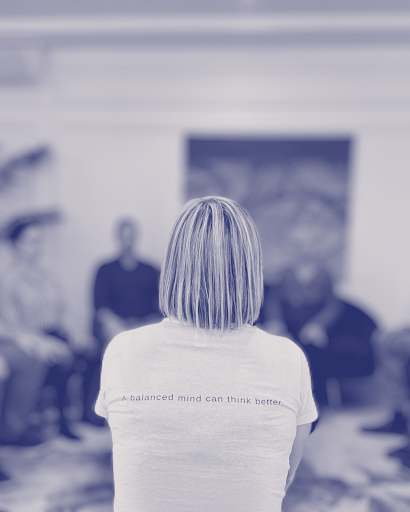
In many organisations, stress is no longer an exception but part of everyday working life. Constant meetings, accumulated mental load, difficulty switching off, increased tension within teams and a general feeling of always being at the limit. This programme is designed to help leaders and teams recognise this overload, manage it more effectively and develop practical tools to bring greater clarity, more energy and a more sustainable way of working.
When stress becomes the norm, the team pays the price
Work-related stress doesn’t just affect individual wellbeing. When it persists over time, it impacts the quality of decision-making, reduces concentration, undermines communication and increases friction between people who are already operating with low energy.
In many cases, the warning signs emerge gradually: greater overwhelm, less focus, less productive meetings, increased irritability, more difficulty prioritising and a constant feeling of reacting rather than leading.
When this pattern continues, it’s not just performance that suffers. Collaboration, workplace climate and the team’s ability to sustain results in a healthy way are also affected.
A practical approach to reduce overload and regain focus
This programme goes beyond simply talking about stress. It focuses on translating that understanding into practical tools that can be applied in everyday working life.
We work on areas such as:
- Early recognition of signs of overload.
- Nervous system regulation and managing stress responses.
- Simple breathing techniques and mindful pauses.
- Habits to restore energy and mental clarity.
- Improving focus and reducing fatigue.
- Small, sustainable routines for everyday work.
- Developing greater awareness of how we handle and sustain pressure.
What can improve for leaders and teams
When work-related stress is addressed in a practical way and integrated into everyday working life, the benefits go beyond a temporary sense of relief. They translate into a different way of working and interacting with others.
People develop tools to recognise signs of overload, respond with greater clarity, take breaks before reaching their limits and manage their energy in a more conscious and sustainable way.
For teams, this can lead to clearer communication and better collaboration, less accumulated tension, more opportunities for recovery, greater ability to concentrate and a growing sense of stability and balance.
Flexible formats tailored to your context and needs
The programme can be delivered in different formats, depending on the organisation’s current situation and the type of support required.
It can take the form of:
- Short, recurring sessions integrated into the working day.
- Multi-session programmes for teams.
- Specific introductory or awareness workshops.
- Additional support and coaching for leaders.
The format is tailored to the team’s reality, the level of urgency and the degree of continuity the organisation wants to build.
Teams and organisations that can benefit most from this programme
This programme is particularly valuable for organisations experiencing signs such as:
- Increasing tiredness.
- Difficulty concentrating.
- Mental fatigue.
- Increased irritability or friction within teams.
- Difficulty switching off from work.
- A constant feeling of overload.
- Leaders who need more tools to support their teams during periods of high pressure.
It is also a good fit for organisations that already recognise the importance of wellbeing but have yet to translate that commitment into a clear and sustainable structure.
Why this approach works
The difference isn't about adding more theory or delivering occasional motivational messages. It's about providing concrete tools that are relevant to the organisation's real working environment, with enough space and support for them to become part of everyday working life.
Little healthy habits combines corporate experience, an understanding of the pace and demands of the business environment and a practical approach focused on energy, attention, sustainable habits and genuine workplace wellbeing.
The goal isn't just for people to feel better during a session, but to help them work in a more conscious, sustainable and effective way over the long term.
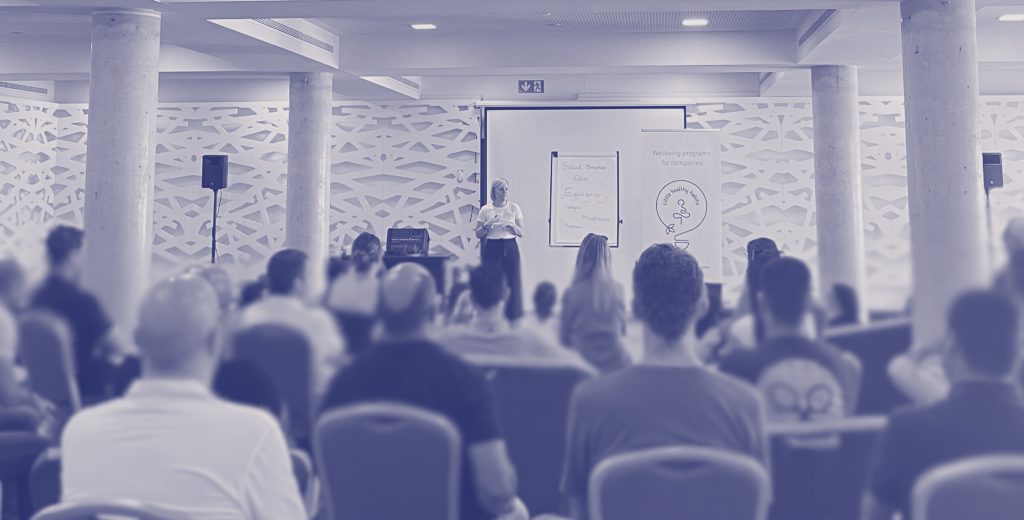
Workshops on Wellbeing & Stress Management
This is the second time we’ve organized a workshop with Julia, and it’s always comforting to take a moment out of our busy lives. Julia always teaches us little tricks to stay present and gives us tools to manage stress more effectively; tools that can be applied daily, as they don’t take much time. We will absolutely do it again!
Almudena Álvarez Otero, CEO
álvarez lentnerWhen done right, workplace wellbeing goes beyond how people feel
In many organizations, wellbeing is still associated with one-off activities or additional employee benefits. However, when approached strategically, it directly influences factors such as team energy, the ability to focus, collaboration, communication, motivation and sustainable performance.
Improving wellbeing at work doesn’t mean adding more layers to the already busy schedule. It means introducing tools, habits and approaches that help people work better, with more resources and less stress.
FAQ
Is this programme only for teams already experiencing high levels of stress?
Not necessarily. It can be used both in situations where stress is already a clear issue and as a preventive measure, helping organisations avoid overload becoming an ingrained part of everyday working life.
Can the programme be done online?
Yes. The programme can be adapted to online, in-person or hybrid formats.
Is it a one-off intervention or an ongoing process?
It can be delivered as a one-off intervention, although it tends to have a greater impact when there is some degree of continuity.
Do you also work with leaders?
Yes. In many cases, combining team interventions with dedicated support for leaders is particularly valuable.
How do we know if this programme is right for our organisation?
It always starts with an initial conversation to understand your context, needs and objectives.