
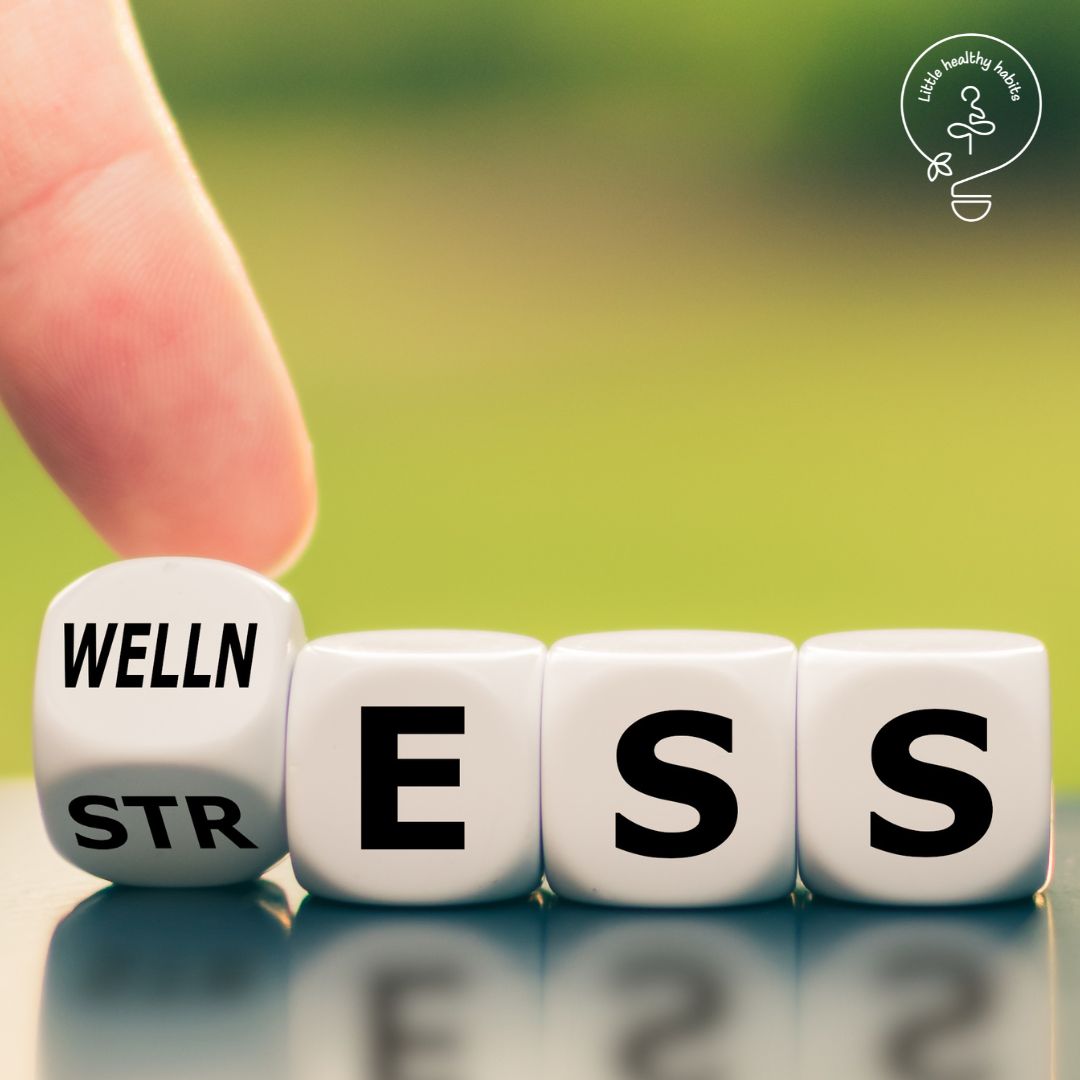
Chronic stress? When was the last time you calmed your Nervous System?
If just sitting or lying quietly, doing nothing at all (without guidance, music, or any external distractions) feels incredibly hard to you or even makes you nervous, it might be a sign that your body is used to chronic stress. And you’re not alone with that. That’s why today we explore the background, mindset and techniques to calm our Nervous System.
What is the Autonomic Nervous System?
The autonomic nervous system (ANS) is the body’s automatic regulator, controlling vital functions like heart rate, digestion, breathing, and temperature without conscious effort. It consists of the sympathetic (“fight-or-flight”), parasympathetic (“rest-and-digest”), and enteric systems, all working together to maintain balance and respond to stress. Dysfunction in the ANS can lead to conditions such as dizziness, abnormal heart rate, digestive issues, and other health problems, but taking care of your daily habits and lifestyle, in combination with appropriate medical care, can support its proper function (Source: Metropolis India). So the main goal of the ANS, and the goal of this article, is to find balance between the stress and the rest.
Why do we constantly live in stress mode and how to get out of it?
Basically because evolution has led us to it. Ford brought us productivity tools in the beginning of the 20th century and established the 8 hour work day – which unfortunately in many cases turned into more. For a long time now, we’ve been thinking that the more hours we work – the more we “produce”. But the last 5-7 years, with the pandemic, the rise of mental health issues and many other diseases related to stress, have confirmed: The more hours we work – the less creative we are. Rest, fun, movement, conversations, traveling, experimenting new dishes, colours and forms… they are all essential for new ideas, new perspectives, and for innovation.
A great example is Benjamin Franklin, known for his famous inventions (like the stove or lightning rod), who created a lot of time in his day for rest, hobbies, and socializing – it was the fuel for his achievements. (Source: BBC Worklife) If you’ve been to one of my workshops you know I always share 3 points:
- Let’s manage our expectations: A day only has 24 hours and 8 of them we should be sleeping + at least 1 hour of rest during the day (in little breaks) + at least 30 minutes of movement (if possible also split up in different moments) + 1,5 hour of food between breakfast, lunch and dinner (or more) + at least 1 hour transport time (even if you work at home you’ll need to get out at some stage I guess) so that’s already 12 hours of your day so you have 12 hours for time with your loved ones (if you eat ore move together you create more time :), other passions / hobbies, administrative / household tasks and work. So why would anyone believe we can work 16 hours and still do all of the other things we love? More insights in this article: https://littlehealthyhabits.com/how-to-manage-your-expectations/
- Let’s embrace that we are human beings (not machines): We have emotions and when something happens to us, we react and – while there are many tools to react better and calm down – we still need a while to process the emotion. And there are more intense days that make us extremely tired. Embrace your human nature, create the space to process and get back to a calmer state. Rest like a human and you’ll see the positive impact.
- Let’s use our mind to create a wonderful future (not a list of fears): The person I most love to listen to in this context is Peter Crone, The Mind Architect, and to his program “Finding Freedom”. You find him on Instagram and in many articles and here is his web: https://www.petercrone.com/. He explains so well how our mind creates a story about our future and things that might happen (that most likely never will). And then it fights constantly against it. And this also creates a huge amount of stress in our body. So it’s so important to shift to thinkings like: What if everything works out? What if it will all be amazing? I use this a lot with my clients and I promise it works. Say to yourself: I’ve got this. It will get even better than this. I’m safe. My body is wise and protects me. I’m safe. It helps your whole system to calm down – because yes, your brain listens. 🙂
How to find calmness in the year end?
While Christmas is supposed to be a time of love and gatherings, it’s often related to a lot of stress and hectic: Presents, preparations, the perfect meal, shopping lists, and of course: All the things you believe you still need to finish work wise before the 31st of December. Try to relax about it. It’s just a date. Only you decide how to live those next few weeks:
- Time is the biggest gift. We know it but we don’t live by it. The truth is we don’t know how much time we have with our loved ones. So instead of running around in circles to prepare the perfect night – the most important thing is to BE together, to laugh, to share, to LOVE.
- Focus on the glimmers & practice gratitude. What are you grateful for today? Who are you grateful for? Gratitude leads us to positive emotions to feeling at ease, calmer, happier. There are so many little things, people and moments in your life that are magical. Find your glimmers (instead of triggers).
- Take care of your sleep and move slowly. Our nowadays lifestyle and especially the Christmas time often affects our sleep patterns and sleep is the base for our wellbeing and for regulating our stress level. Find moments to rest (for example mini siestas) in between, take care of yourself and if you can’t follow your usual sports program for whatever reason, at least: go for a walk daily, stretch your body, dance in the bathroom, … connect to your body, move slowly.
- Find some time for yourself & plan some things for January. It’s a beautiful idea to gather with people but if it gets too much: Say “no” to some events or propose some plans for January. And create some time for yourself within all the celebrations, a day, an evening or at least a few hours for you, maybe with a bath or a book or a movie or enjoying a slower meal by yourself.
- Breathe deeply. Exhale longer. Especially during the moments where you think you need to finish sooo many things before the change of the year: Breathe deeply, exhale longer than you inhale, this activates your parasympathetic (rest-and-digest) system. Repeat this 3 times making your exhales longer and longer (in and out through your nose if you can + you can repeat from above: I’m safe.).
I really hope this article inspires you to enjoy these last days and weeks of the year, to slow down, to be grateful for everything you have in your life and you have already achieved this year. And with this feeling I hope you allow yourself to find more moments to rest, to relax, to just be. You are safe. Fun is save. Not working is save. Just being is save. Rest is safe. Your body is safe. It just needs to learn it again. And you can help with that.

Julia Schröckmayr
Founder Little healthy habits ~ Mental balance & Wellbeing ~ Workshops for you and your team ~ Yogi ~ Globetrotter ~ Sales Leader & Advisor ~ Passionate about bringing mental balance to fast-paced organizations.
Post a comment