
Organizational culture and collaboration: How to improve the way teams really work
We help leaders and organizations improve the way people relate to one another, collaborate and contribute, creating healthier, clearer and more sustainable ways of working together.

Some companies’ challenges are not rooted in strategy or individual talent. They stem from how the system works: how people communicate, how decisions are made, how tensions are managed and how collaboration is built - or gradually breaks down. Working on organizational culture is not about reviewing values on paper. It means addressing the real dynamics that shape the workplace atmosphere, how teams function and how people experience their work every day.
What an organization experiences, allows and repeats defines its culture
Organizational culture is not just about a set of values or a statement of intentions. It shows up in everyday behaviours: how feedback is given, how disagreements are handled, how clear expectations are, how much space there is for trust, how leadership is practised and how people respond under pressure. When a culture is well established and nurtured, teams gain consistency, direction and a sense of security. When it deteriorates, friction emerges, affecting collaboration, the workplace atmosphere and overall team performance.
Common signs that things aren’t working well internally
In many companies, cultural issues aren’t recognized as such. They show up under different names: a poor workplace atmosphere, low levels of collaboration, recurring conflicts, lack of motivation, difficulty getting the team aligned or a feeling that people aren’t quite working towards the same goal. These signs don’t necessarily mean the company is in crisis, but they may indicate internal dynamics that deserve a closer, more structured look.
Taking action to improve the quality of internal dynamics
Work on organizational culture and collaboration can focus on areas such as:
- The quality of internal communication.
- Clarity in roles and responsibilities.
- Improving collaboration across teams or between individuals.
- Strengthening trust.
- Space for feedback and active listening.
- Aligning leadership, values and the way the organization operates.
- Reviewing habits or dynamics that increase strain or friction.
The goal isn’t to add another layer of theory, but to introduce real changes in how people relate to one another and work together.
What improves when teams work on this area
When an organization takes a thoughtful, structured approach to culture and collaboration, the benefits can be seen at several levels:
- Greater alignment.
- Better communication.
- Less friction.
- More clarity in how work gets done.
- A stronger sense of trust and consistency.
- Healthier working relationships.
- Greater ease in navigating decisions, change and complex processes.
The goal isn’t simply to create a pleasant workplace atmosphere. It’s to strengthen the way the organization works internally so that teams can collaborate more effectively and work better together.
Flexible formats adapted to the context of the organization
The program adapts to each organization’s needs, both in terms of depth and format, depending on the current situation and the goals to be addressed.
This can include:
- Team workshops.
- Multi-session programs.
- A combination of work with leaders and teams.
- In-person, online or hybrid formats.
- Work focused on specific areas or teams.
Each proposal is adapted to the context, objectives and level of change the organization wants to achieve.
Particularly relevant when underlying tensions or alignment issues emerge
This area of focus is especially relevant for organizations experiencing:
- A lack of collaboration between individuals or teams.
- Teams with strong technical skills but strained internal dynamics.
- Organizational changes that haven’t been properly accompanied.
- Rapid growth without enough integration.
- Unclear communication.
- Deteriorating working relationships.
- A need to strengthen trust, structure and consistency.
A practical, human approach aligned with the company’s reality
Little healthy habits takes a practical, people-focused approach to this work, grounded in the day-to-day of organizations. The goal isn’t to analyse culture from the outside, but to work on the behaviours, relationships and dynamics that truly shape how a team feels and functions.
This approach combines an understanding of people with an organizational perspective and a clear focus on practical application.
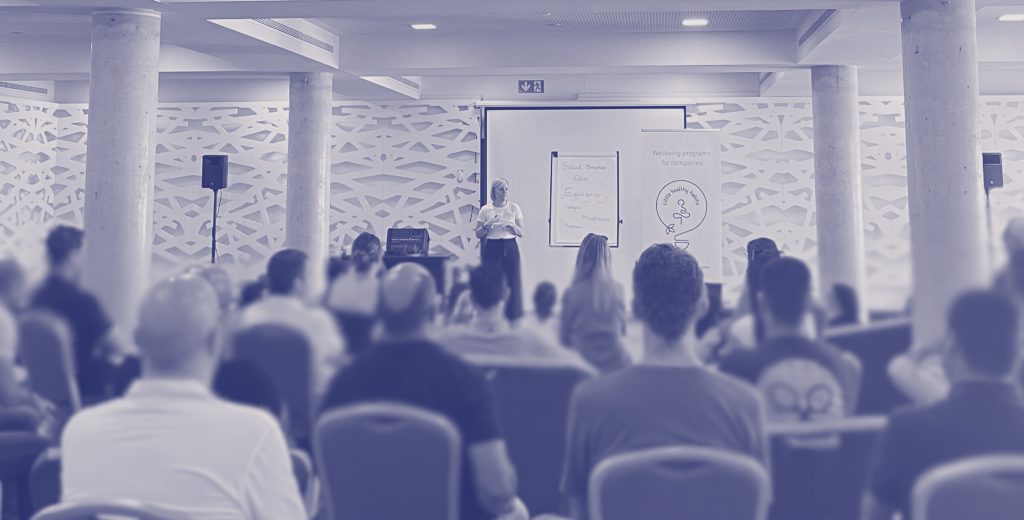
Taller sobre hábitos saludables & colaboración en equipo
Disfrutamos de un taller en equipo con Little healthy habits. En Desution creemos firmemente que cuidar del equipo es la base para poder cuidar bien de nuestros clientes. Este taller no solo nos ha brindado herramientas prácticas para mejorar nuestra postura, el descanso o el estrés, sino que ha reforzado lo que más valoramos: nuestra cohesión y el apoyo mutuo. Muchas gracias, Julia, por compartir con nosotros este tiempo y por contagiarnos tu energía. Ha sido un auténtico placer vivir este momento de aprendizaje y fortalecimiento. ¡Ya estamos aplicando todo lo aprendido (especialmente esos estiramientos a mediodía)! Nos vemos muy, muy pronto.
Judith Sanchez
DesutionWhen done right, workplace wellbeing goes beyond how people feel
In many organizations, wellbeing is still associated with one-off activities or additional employee benefits. However, when approached strategically, it directly influences factors such as team energy, the ability to focus, collaboration, communication, motivation and sustainable performance.
Improving wellbeing at work doesn’t mean adding more layers to the already busy schedule. It means introducing tools, habits and approaches that help people work better, with more resources and less stress.
Q&A
Does working on organisational culture mean only reviewing values or mission?
No. While these elements play a role, what matters most is how they translate - or fail to translate - into specific behaviours and relationships within the team.
Can organizational culture be improved without making it an overwhelming process?
Yes. In some cases, we start with a short, focused piece of work designed to address a specific need and lay the foundations for change.
Does this also apply to small teams?
Yes. In fact, many team dynamics become particularly visible in smaller teams.
Can this help if the problem seems to be “just communication”?
Often, what appears to be a communication problem points to deeper issues related to organizational culture, structure or leadership.
How can we know when it’s the right time to work on the culture?
If friction starts to emerge, alignment or trust begins to decline, or people struggle to work with clarity, it’s a sign that this is the moment to address those topics.