
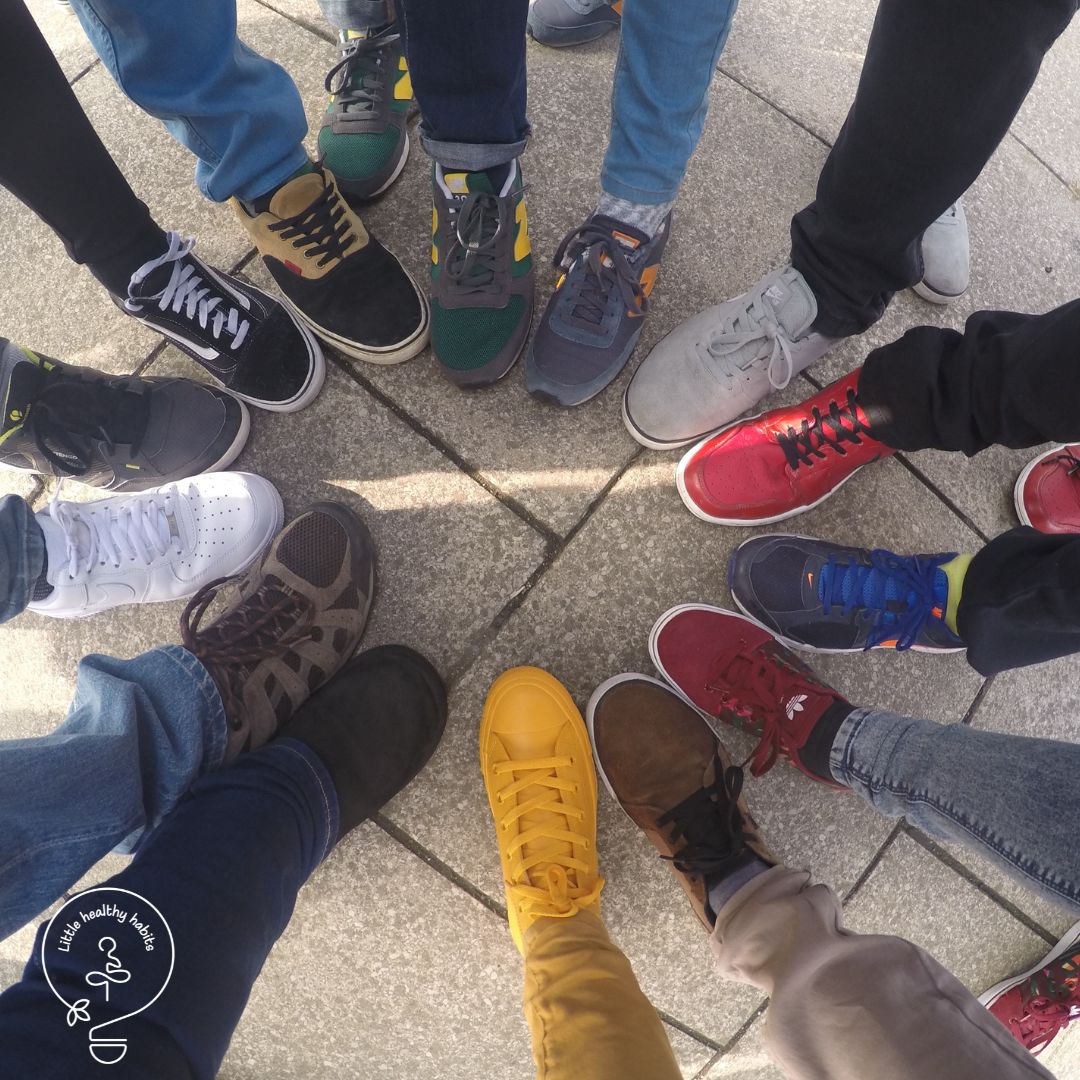
How to Improve Collaboration in Teams
Collaboration doesn’t happen by chance
Many organizations assume that collaboration will naturally emerge when people share common goals. However, the reality is different. Even talented and experienced teams can struggle to coordinate, share information, or work in alignment.
Effective collaboration does not depend solely on people’s willingness to work together. It is influenced by organizational culture, leadership styles, internal communication, and the clarity of processes.
Signs of poor Collaboration
Common signs include:
- Duplicated work.
- Lack of communication between departments.
- Unproductive meetings.
- Recurring conflicts.
- A weak sense of belonging.
- Information being shared only partially.
When these situations persist over time, they can directly impact performance and the overall workplace climate.
What fosters Collaboration
Improving collaboration requires working on several key elements:
- Shared goals.
- Clear roles and responsibilities.
- Effective communication spaces.
- Trust between people.
- Consistent leadership.
- Well-defined work processes.
It is not simply about improving relationships between colleagues, but about creating the conditions for people to work together more effectively. This requires awareness of how our own ways of communicating, making decisions, and relating to others impact those around us. Collaboration starts with each individual, but is built collectively.
The role of Leadership
Leaders have a direct impact on how a team communicates, collaborates, and navigates challenges. When they encourage listening, create clarity, and provide spaces for people to participate and take ownership, it becomes easier to build trust and work towards shared goals. Conscious leadership is not only about leading others, but also about observing the dynamics we create, recognizing our own impact, and asking ourselves what we can do differently to foster more autonomous and effective collaboration.
Conclusion
Improving collaboration is not about organizing more team-building activities, but about looking at how people work, communicate, and what dynamics enable or hinder effective teamwork. Effective collaboration is built through individual awareness and shared responsibility.

Julia Schröckmayr
Founder Little healthy habits ~ Mental balance & Wellbeing ~ Workshops for you and your team ~ Yogi ~ Globetrotter ~ Sales Leader & Advisor ~ Passionate about bringing mental balance to fast-paced organizations.
Related posts

What conversation do you have with yourself?
We speak to ourselves more than we realize and the majority of our "natural thoughts" are negative. Our self-talk influences our wellbeing. What...

A holistic approach to wellbeing at work
Do you want your team to thrive? Let's create a healthy, fulfilling and sustainable work environment through a holistic wellbeing approach.
How to Manage Workplace Stress in High-Performance Teams
Is your team performing well - or simply holding it together? Key insights to identify workplace stress and manage it in a more sustainable way.
Post a comment