
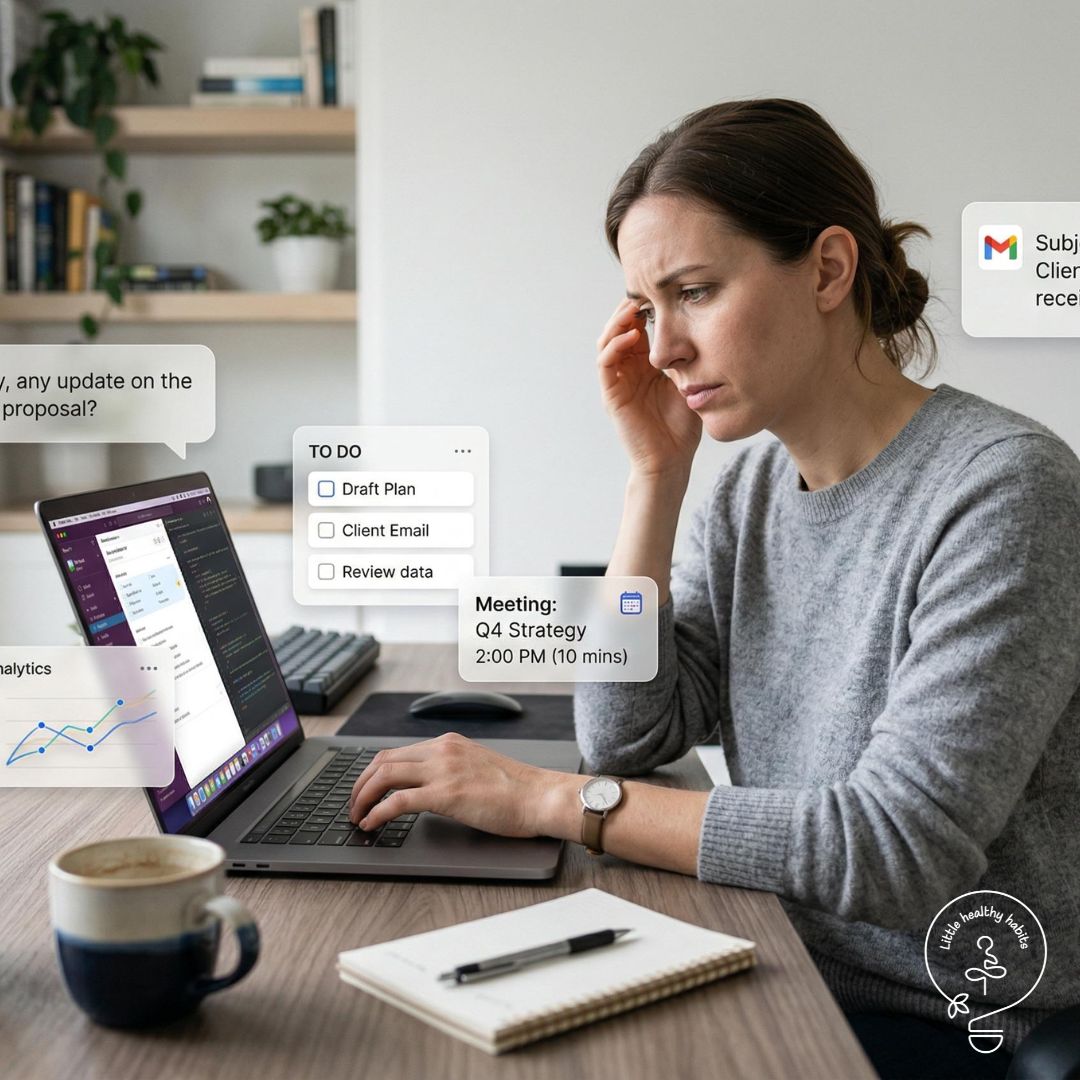
How to Manage Workplace Stress in High-Performance Teams
The problem is not having stress, but living under it permanently
Every organization experiences periods of pressure. Important deadlines, strategic changes, rapid growth, or particularly busy periods are all part of business reality.
Short-term stress can help us respond to certain challenges. The problem arises when pressure stops being temporary and becomes a permanent condition of work, without enough time for recovery.
In many high-performance teams, behaviors such as constantly working with a sense of urgency, responding to messages outside working hours, or taking on workloads that are difficult to sustain over long periods become normalized. Although this may initially seem like a sign of commitment, over time it can lead to fatigue, mistakes, conflict, and reduced performance.
Signs that stress is affecting the team
People do not always openly express that they are overwhelmed. That is why it is important to pay attention to certain indicators:
- Irritability and frequent conflict.
- Difficulty concentrating.
- More mistakes than usual.
- Loss of motivation.
- Increasing absenteeism.
- A constant feeling of exhaustion.
- Reduced ability to adapt.
When several of these signs appear at the same time, it is worth looking at the factors contributing to the problem, both at an individual and organizational level.
Factors that commonly cause workplace stress
Lack of clarity
When priorities constantly change or expectations are unclear, people spend a great deal of energy managing uncertainty.
Excessive workload
It is not always about working long hours. It can also be about excessive mental load: the accumulation of tasks, meetings, constant interruptions, and too many responsibilities that are difficult to manage simultaneously.
Limited autonomy
Feeling that there is little room to make decisions significantly increases the perception of pressure.
A culture of constant urgency
Some organizations operate as if everything is a priority and everything is urgent. This makes planning more difficult and creates sustained strain.
How to reduce stress in teams
Review priorities
Not everything has the same level of importance. Defining clear objectives helps reduce overload and facilitates better organization of work.
Improve communication
Uncertainty often increases when information does not flow effectively. Clear and regular communication helps the team understand what is happening, what is expected, and where to focus their efforts.
Promote breaks and recovery
Sustainable performance requires time for rest and recovery. Breaks are not a loss of productivity: they help restore attention, energy, and the ability to concentrate.
Train leaders and teams
Self-leadership tools such as emotional regulation, organization, communication, self-care, and priority management can help people respond more effectively during periods of pressure.
The role of leadership in managing stress
Leaders play an important role in how a team experiences and manages pressure.
It is not about eliminating all demands or personally solving each person’s stress, but about creating conditions that allow people to work sustainably.
This means providing clarity, recognizing signs of overload, and, above all, leading by example. If a leader talks about the importance of disconnecting but constantly responds to messages outside working hours, their behavior sends a different message.
Conclusion
Managing workplace stress does not mean eliminating demands or avoiding periods of pressure. It means creating conditions and environments that allow performance to be sustained while, at the same time, protecting people’s health and wellbeing in the long term.

Julia Schröckmayr
Founder Little healthy habits ~ Mental balance & Wellbeing ~ Workshops for you and your team ~ Yogi ~ Globetrotter ~ Sales Leader & Advisor ~ Passionate about bringing mental balance to fast-paced organizations.
Related posts

How to take a healthy break?
Quickly checking your phone? Preparing for the next meeting? No. Breaks are necessary for your brain to restore and concentrate.
Strategic Guide to building a Healthy Workplace in 2026
A strategic guide to building a healthy workplace in 2026 - the steps to ensure holistic wellbeing, sustainability, and long-term business success.

How much time do you spend on a screen?
Do you feel tired, exhausted, have troubles to sleep or similar? When was the last time you checked how much time you spend on a screen?
Post a comment